
Tasawwuf: The Islamic Path of Spiritual Purification and Inner Excellence
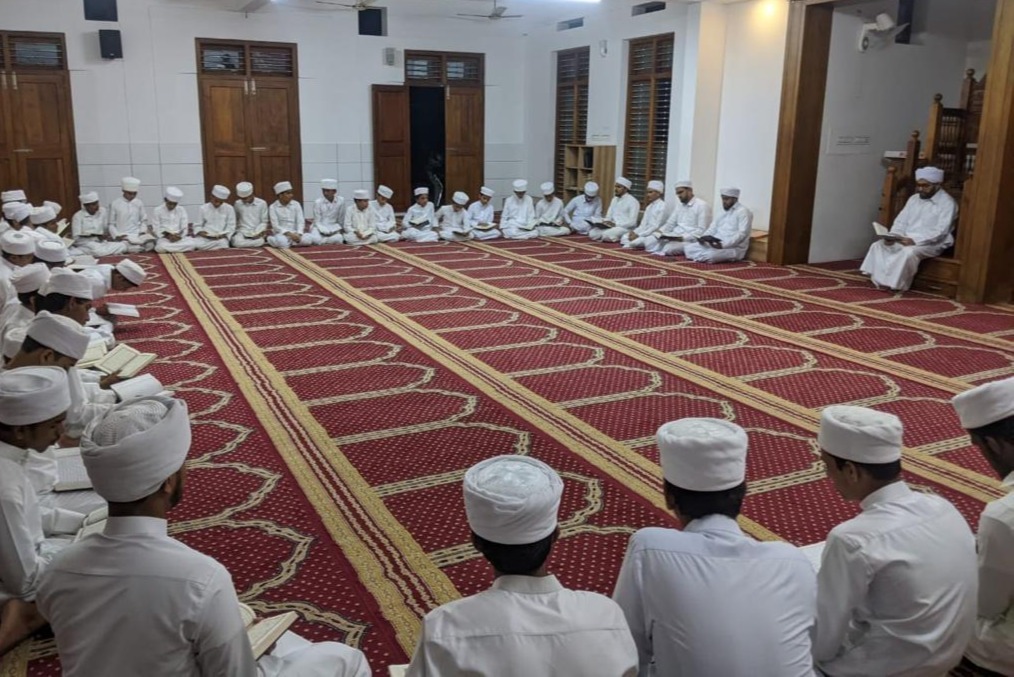
The purpose of Islamic life is not limited to the outward performance of acts of worship. It also aims at the purification of the heart, refinement of character, and attainment of closeness to Allah. This spiritual journey is known in the Islamic tradition as Tasawwuf or Tazkiyat al-Nafs (purification of the soul).
Introduction
The purpose of Islamic life is not limited to the outward performance of acts of worship. It also aims at the purification of the heart, refinement of character, and attainment of closeness to Allah. This spiritual journey is known in the Islamic tradition as Tasawwuf or Tazkiyat al-Nafs (purification of the soul).
Tasawwuf is not a separate sect or a new concept introduced into Islam; rather, it is a discipline rooted in the teachings of the Qur’an and Sunnah that focuses on inner reform and moral excellence.
Tazkiyat al-Nafs: The Purification of the Soul
The Qur’an links true success with the purification of the soul and the purity of the heart. Tasawwuf seeks to protect the human heart from spiritual diseases such as arrogance, envy, greed, excessive attachment to worldly matters, and hatred, while cultivating noble qualities such as humility, gratitude, patience, sincerity, and love for Allah.
The true honour of a person is not found in wealth or status, but in righteousness and noble character. Therefore, the central goal of Tasawwuf is to develop individuals who are devoted to Allah and beneficial to society.
Dhikr and the Connection with Allah
Dhikr (the remembrance of Allah) holds a central place in spiritual development. Remembering Allah brings tranquillity to the heart and strengthens a believer’s spiritual consciousness.
The recitation of the Qur’an, supplications, seeking forgiveness, and sending blessings upon the Prophet Muhammad ﷺ are all practices that nurture the soul. True remembrance is not confined to the tongue alone but should transform one’s thoughts, actions, and way of life.
Ikhlas: The Soul of Worship
The value of any righteous action depends not merely on its external appearance but upon the sincerity of the intention behind it. Ikhlas means performing every action solely for the pleasure of Allah without seeking praise or recognition from others.
Tasawwuf guides a believer away from spiritual diseases such as showing off and leads him towards humility, sincerity, and devotion.
Tasawwuf and Noble Character
Good character is among the greatest signs of true spirituality. Patience, compassion, forgiveness, respect for others, and service to humanity are the fruits of genuine spiritual growth.
Throughout Islamic history, great scholars and Awliya (friends of Allah) influenced societies not only through their knowledge but also through their humility, wisdom, and exemplary conduct.
The Relevance of Tasawwuf in the Modern Age
The modern world, with its rapid material advancement and endless distractions, often leaves the human heart restless and spiritually empty. In such circumstances, the spiritual discipline of Tasawwuf provides inner peace, self-awareness, and a higher purpose in life.
True spirituality does not require abandoning the world; rather, it teaches a person to live responsibly within the world while remaining conscious of Allah and committed to moral values.
Conclusion
Tasawwuf is an Islamic journey of purifying the heart, refining character, and strengthening one's relationship with Allah. The authentic path of Tasawwuf, founded upon the Qur’an and Sunnah, transforms a believer into a sincere, humble, and compassionate servant of Allah.
The beauty of a complete Islamic life is realized when knowledge, worship, morality, and spirituality come together in harmony.
قيّم هذه المقالة
ملاحظاتك تساعد بقية الطلاب على اكتشاف القراءات المفيدة.